





President Trump Signs Landmark Executive Order to Fast-Track Psychedelic Treatments: A Turning Point for Psychedelic Medicine?
Could this be the beginning of a new era for psychedelic-assisted therapy in the United States?
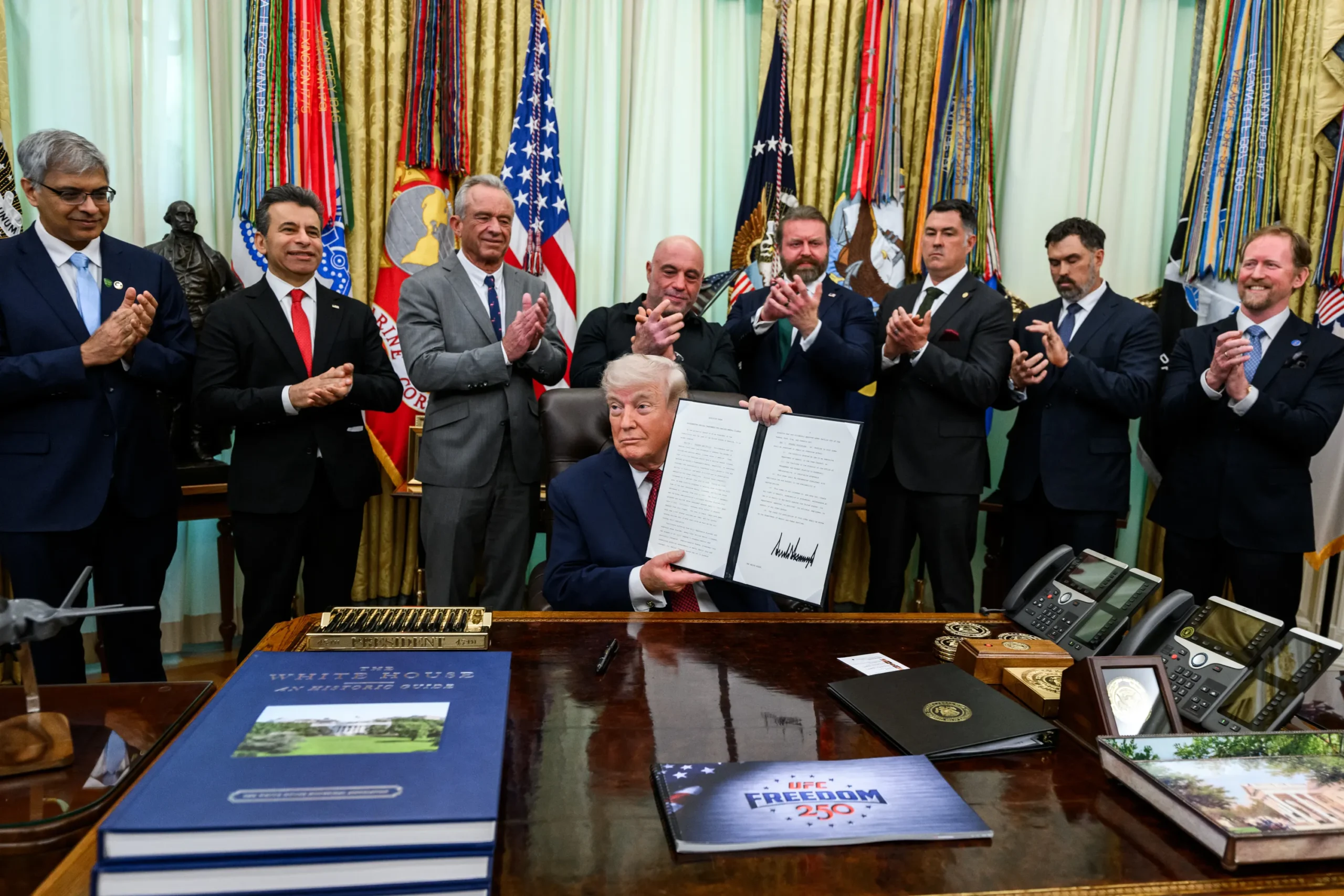
In a move that has sparked widespread discussion across the psychedelic, medical, and mental health communities, President Donald Trump has signed an executive order aimed at accelerating the development and regulatory review of psychedelic-assisted treatments for serious mental health conditions.
While the order does not legalize recreational psychedelics, it represents one of the strongest signals yet that the U.S. federal government is taking psychedelic medicine seriously. For researchers, therapists, veterans, and advocates who have spent years pushing for evidence-based access to these therapies, the announcement marks a significant milestone.
What Does the Executive Order Do?
The executive order directs federal agencies to work together to speed up research and reduce unnecessary delays in the development of promising psychedelic treatments.
Among its priorities are:
- Accelerating FDA review of qualifying psychedelic therapies.
- Expanding federal support for clinical research.
- Improving coordination between agencies involved in mental health and veterans’ healthcare.
- Prioritizing innovative treatments for patients who have not responded to conventional medications.
The initiative particularly highlights treatment-resistant depression, PTSD, traumatic brain injury (TBI), and other severe mental health disorders—conditions that affect millions of Americans, including many military veterans.
A Major Win for Psychedelic Research
Over the past decade, scientific interest in psychedelics has grown dramatically. Institutions including Johns Hopkins University, Imperial College London, and other leading research centers have published studies suggesting that psychedelic-assisted therapy may offer meaningful benefits for carefully selected patients when administered in professionally supervised clinical settings.
Compounds such as psilocybin, MDMA, ketamine, and LSD have become the focus of extensive research exploring their potential to treat:
- Depression
- PTSD
- Anxiety
- Addiction
- End-of-life psychological distress
Although research is still ongoing, the growing body of evidence has encouraged regulators to pay closer attention to psychedelic medicine than ever before.
Today, President Donald J. Trump took historic action to remove barriers on psychedelic treatments for serious mental illness — delivering new hope to millions of Americans, especially our veterans. 🇺🇸 pic.twitter.com/vhLIwRrLqs— The White House (@WhiteHouse) April 18, 2026
What This Means for the Psychedelic Community
For years, researchers, therapists, advocacy organizations, and members of the psychedelic community have argued that outdated policies have slowed scientific progress.
This executive order could help remove some of those barriers by encouraging faster collaboration between regulators and researchers. While it does not instantly change access to psychedelic therapies, many see it as another important step toward integrating these treatments into mainstream healthcare.
The announcement also reflects a broader shift in public opinion. Psychedelics are increasingly being discussed not as counterculture substances, but as potential tools for addressing some of society’s most challenging mental health conditions.
What It Doesn’t Do
Despite some headlines circulating online, the executive order does not legalize psychedelic drugs for recreational use.
Substances such as psilocybin, LSD, and MDMA remain subject to existing federal laws. Patients will still need access through approved clinical trials, authorized treatment programs, or future FDA-approved therapies.
The executive order focuses on accelerating scientific research and regulatory review—not changing criminal law.
Why This Matters
Mental health disorders continue to affect millions of people worldwide, while many patients find little relief from existing treatments. For those living with treatment-resistant depression or PTSD, psychedelic-assisted therapy has emerged as one of the most promising areas of psychiatric research.
If ongoing clinical trials continue to demonstrate safety and effectiveness, the United States could move closer to approving new psychedelic-based therapies over the coming years.
The Road Ahead
The psychedelic renaissance is no longer confined to research laboratories. Governments, healthcare professionals, investors, and the public are increasingly paying attention to the therapeutic potential of psychedelic compounds.
President Trump’s executive order may not represent full legalization, but it is another clear indication that psychedelic medicine is entering a new chapter. For the global psychedelic community, it reinforces growing optimism that evidence-based therapies could soon become more accessible to the people who need them most.
As research continues and regulatory decisions evolve, Psy-Mag will keep you informed with the latest developments shaping the future of psychedelic science, culture, and medicine.
President Trump signed an executive order directing the FDA to expedite review of psychedelic drugs like ibogaine, which advocates say could treat PTSD and other mental health conditions https://t.co/vBk8EoguVF pic.twitter.com/AEW6V2merr
— Reuters (@Reuters) April 18, 2026